
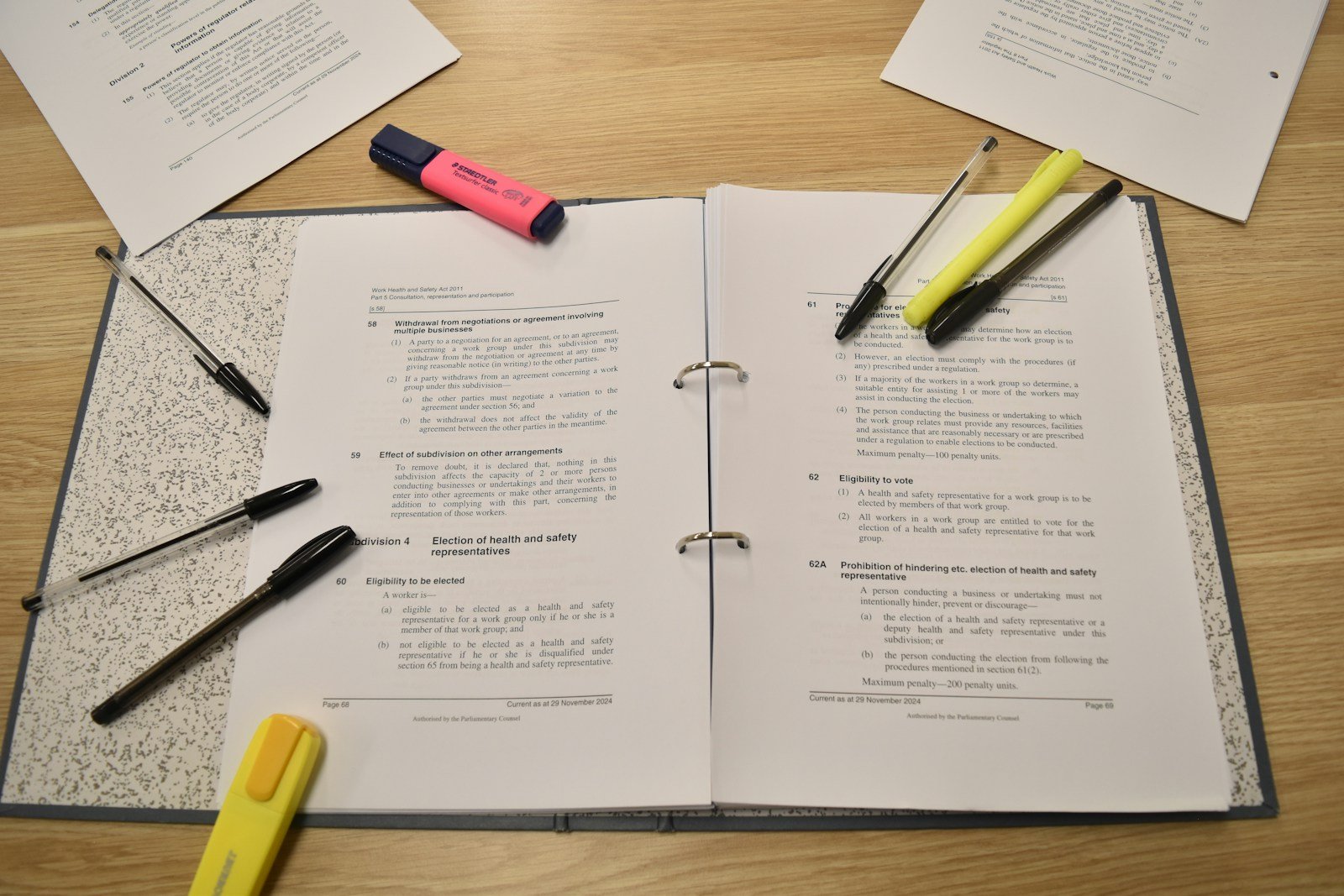
Whether you’re gearing up for board exams, competitive entrances like JEE, NEET, UPSC, CA, CAT, or university finals in 2026, effective exam preparation is about working smarter, not just harder. With distractions everywhere and syllabi growing denser, top performers rely on evidence-based strategies from cognitive science (active recall, spaced repetition, interleaving) combined with practical habits tailored to high-pressure Indian competitive exams.
This guide compiles the most powerful, research-backed exam prep strategies—drawn from studies, topper insights, and 2026 trends—to help you retain more, stay focused, manage stress, and perform at your peak on exam day.
1. Build a Realistic, Structured Study Plan (Foundation of Success)
Don’t study randomly—create a directional plan.
How to do it:
- Understand the exam pattern, syllabus weightage, and marking scheme first (e.g., NEET Biology 360 marks, JEE Math 100 marks per paper).
- Divide the syllabus into daily/weekly targets—prioritize high-weightage topics early.
- Allocate time realistically: 6–10 focused hours/day for most, with built-in buffers for weak areas.
- Use weekly revision slots and monthly full mocks.
- Track progress with a simple spreadsheet or apps like Notion/Todoist.
Why it works: Structured plans reduce overwhelm and ensure coverage. Research shows planning boosts confidence and performance.
2026 tip: For competitive exams, reverse-engineer from exam date backward (e.g., complete syllabus by December 2025 for JEE Main 2026, then focus on mocks).
2. Master Active Recall + Spaced Repetition (The Science-Backed Duo)
Passive reading or re-highlighting is inefficient—force retrieval.
Active Recall:
- Close notes → write/say everything you remember.
- Solve past-year questions (PYQs) without peeking.
- Use flashcards (Anki/Quizlet) for facts, formulas, reactions.
Spaced Repetition:
- Review Day 1 → Day 2 → Day 4 → Day 7 → 2 weeks → 1 month → 3 months.
- Apps like Anki automate intervals based on how well you recall.
Evidence: Retrieval practice + spacing ranks #1 in long-term retention studies (e.g., Dunlosky et al., Bjork’s work).
For competitive exams: Make Anki decks for NCERT lines (NEET), formulas (JEE), current affairs (UPSC). Review daily for 30–60 min.
3. Use Interleaving & Mixed Practice (Beat Exam Pressure)
Don’t block-study one subject for hours—mix topics.
How to apply:
- In one session: 20 min Physics → 20 min Chemistry → 20 min Math → repeat.
- Solve mixed PYQs or topic-shuffled mocks.
- Alternate similar concepts (e.g., SN1 vs SN2, projectile vs SHM).
Why superior: Improves discrimination between concepts and mimics real exam randomness.
Proven for: JEE/NEET problem-solving, UPSC GS papers.
4. Practice Under Exam Conditions (Simulate the Real Thing)
Mocks aren’t optional—they’re training.
Strategy:
- Take full-length timed mocks weekly (increase to 2–3/week closer to exam).
- Use official pattern (OMR sheets, no distractions).
- Analyze every mock: note mistakes, time traps, weak topics → target them next.
- Review wrong answers deeply—understand why you erred.
Benefits: Builds stamina, reduces anxiety, improves speed/accuracy.
2026 tools: NTA Abhyas app (NEET/JEE), Vision IAS/Insights mocks (UPSC), Allen/FIITJEE test series.
5. Feynman Technique + Teaching Others (Deep Understanding)
Explain concepts simply—as if to a 10-year-old.
Steps:
- Pick a topic → write title.
- Explain in plain words (use analogies).
- Stuck? Revisit source → simplify further.
- Teach a friend/family or record yourself.
Best for: Conceptual clarity in Physics, Organic Chemistry, Polity, Economics.
Group study bonus: Teach peers—gaps become obvious fast.
6. Pomodoro + Customized Focus Blocks (Sustain Attention)
Protect your focus from burnout.
Recommended:
- 50–90 min deep work + 10–20 min break (adjust to your rhythm).
- After 3–4 cycles: longer 30–60 min break (walk, stretch, no phone).
- Morning for toughest subjects (highest willpower).
Hacks: Noise-cancelling + brown noise/rain sounds, phone in another room, Forest app to block distractions.
7. Dual Coding & Visual Summaries (Make Info Stick)
Combine words + visuals.
Techniques:
- Draw flowcharts for processes (e.g., Krebs cycle, Indian budget flow).
- One-page mind maps per chapter.
- Color-code: red for exceptions, blue for formulas.
- Recreate diagrams from memory.
Tools: Excalidraw, GoodNotes, Xmind.
8. Prioritize Health & Recovery (Non-Negotiable Boosters)
- Sleep 7–8 hours—memory consolidation happens overnight.
- Exercise 20–30 min daily (walk/jog)—increases BDNF for brain growth.
- Eat brain food: nuts, fruits, eggs, hydration.
- 5-min meditation/breathing before study to reduce anxiety.
9. Last-Month Strategy (Peak Performance Phase)
- Revise only high-yield/revision notes.
- Daily mocks + error analysis.
- Avoid new topics after syllabus completion.
- Light revision day before exam—no heavy study.
10. Mindset & Motivation Hacks
- Track small wins (daily targets met).
- Visualize success in exam hall.
- Remember: consistency > intensity.
- Join small accountability groups (not toxic comparison).
Quick Ranking of Top Strategies (Evidence-Based)
- Active Recall + Spaced Repetition
- Practice Testing/Mocks
- Interleaving
- Feynman/Elaboration
- Structured Planning + Time Management
- Dual Coding + Visuals
- Focused Sessions + Breaks
Pick 2–3 techniques, apply them consistently for 2 weeks, then layer more. Track what works for you—everyone’s brain is different.
Start today with one change: make a weekly plan or do 30 min active recall. Your 2026 exam results will reflect the smart habits you build now.
You’ve got this—stay consistent, stay calm, and crush it!